
Rhinoplasty
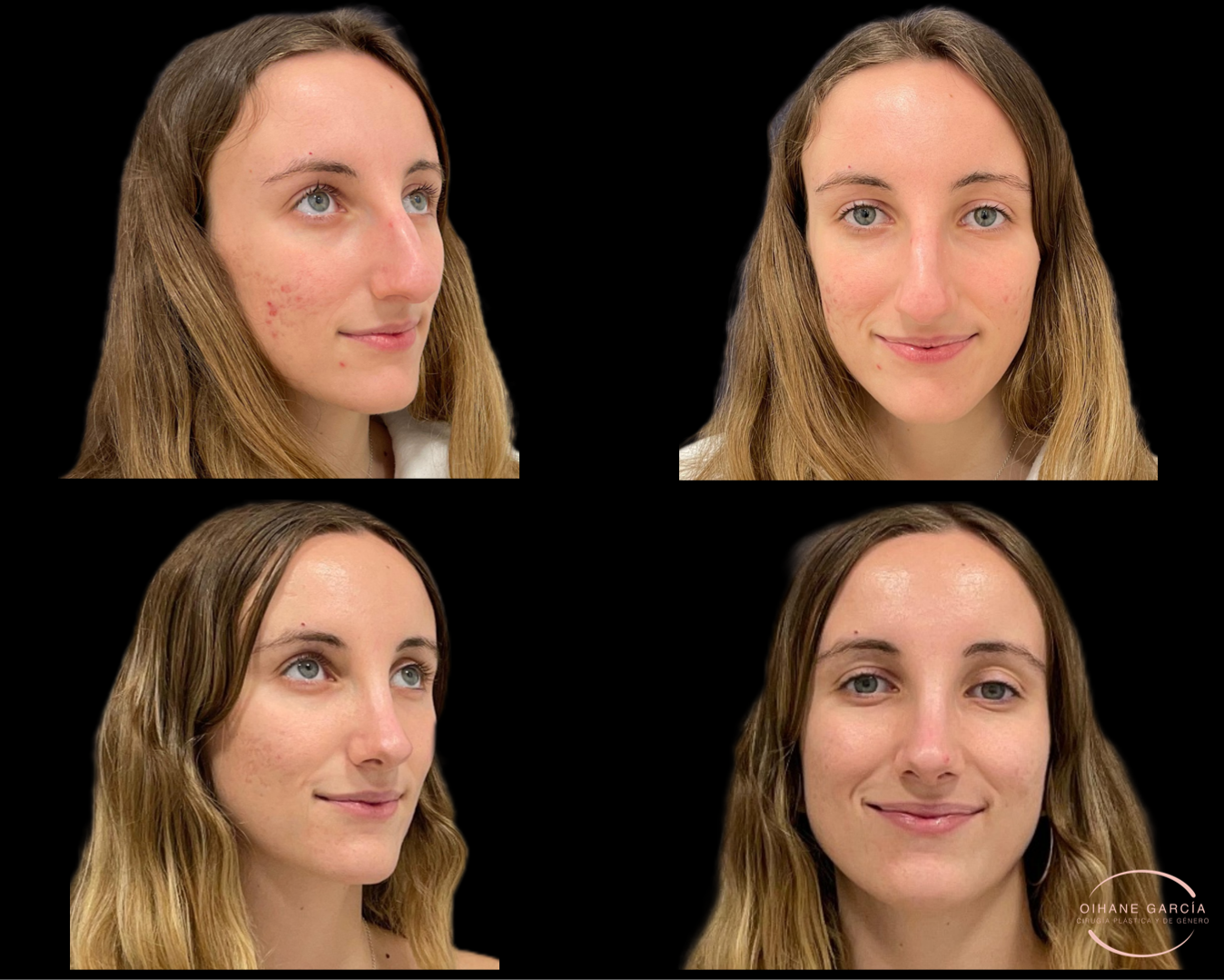
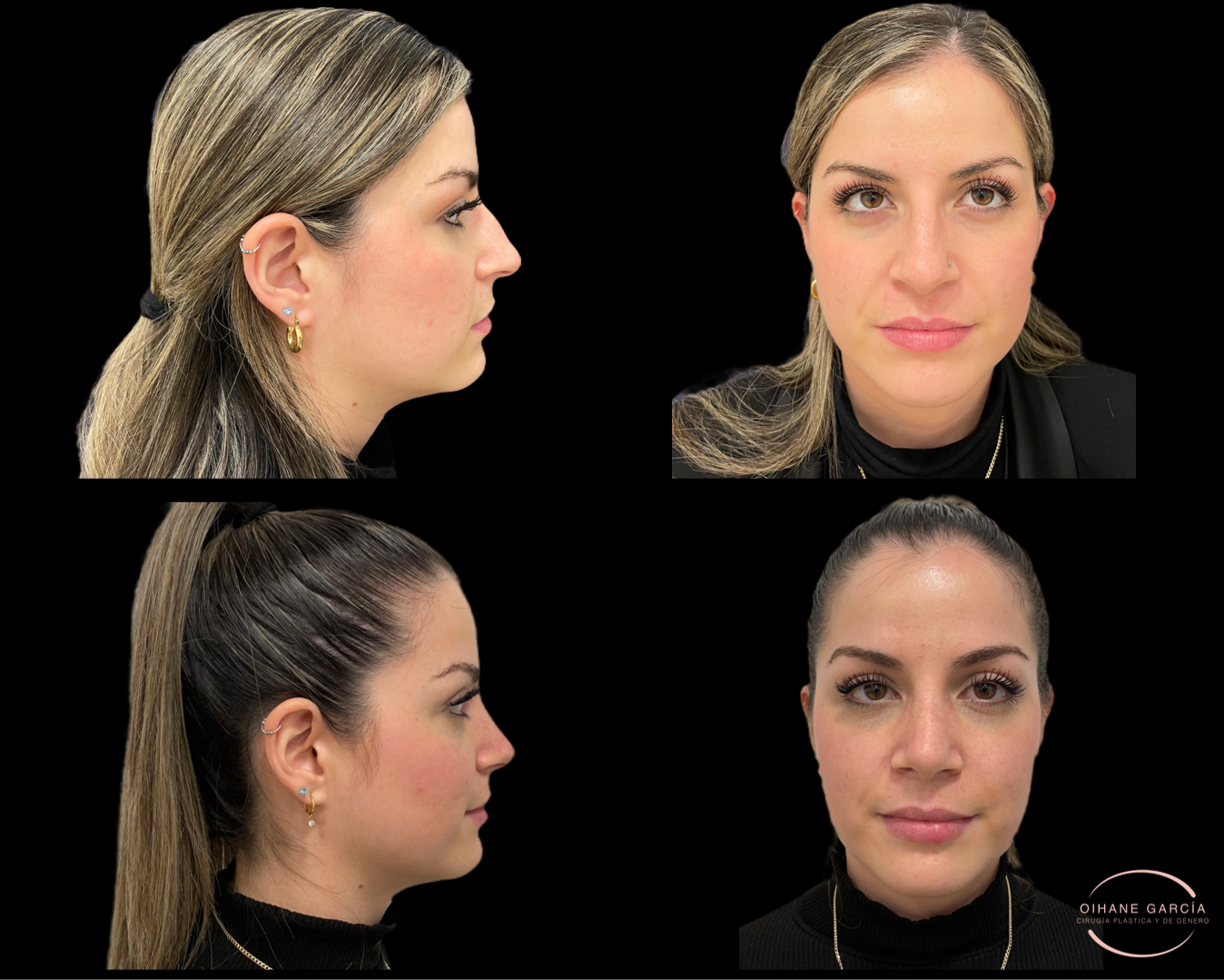
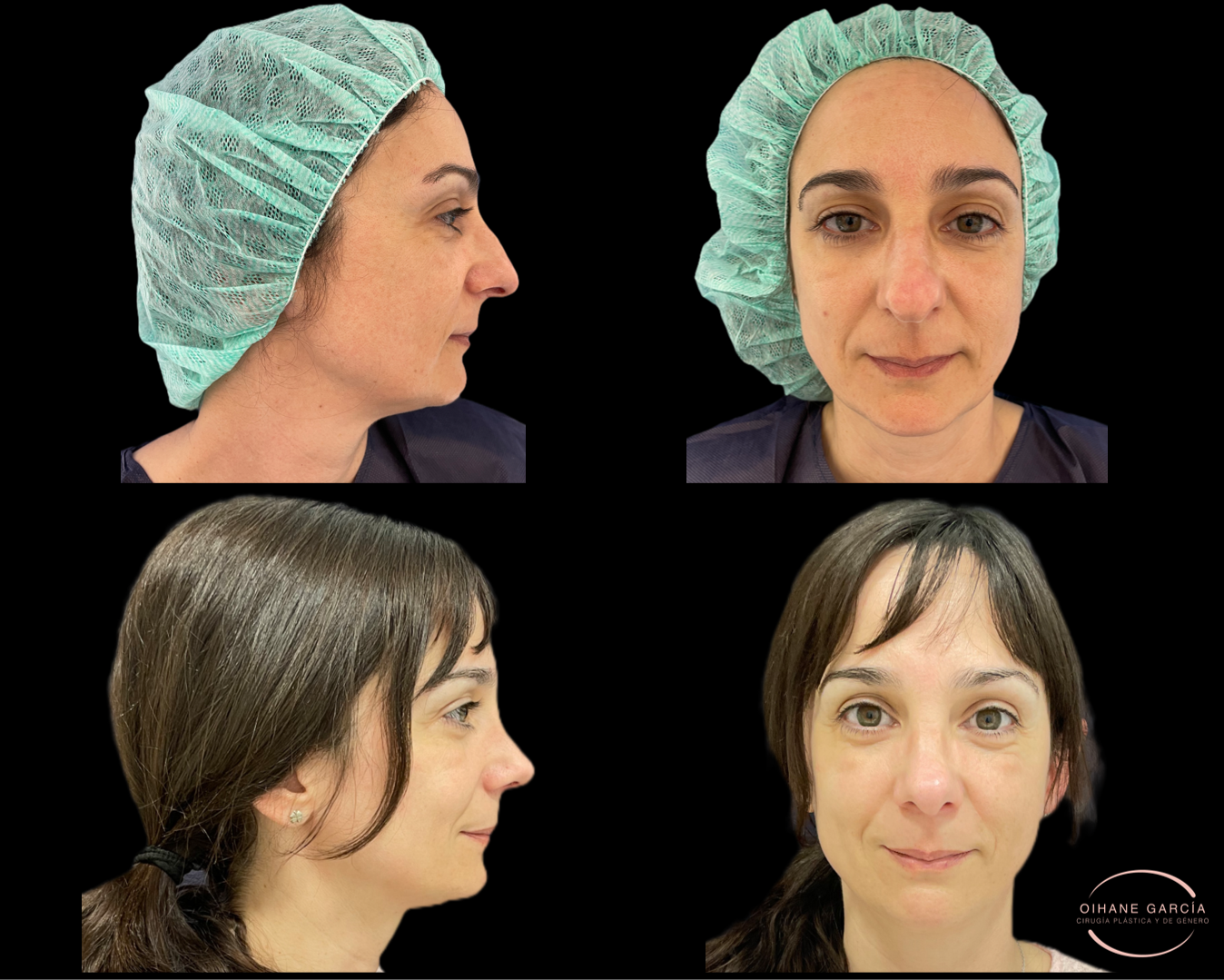
Rhinoplasty is surgery of the nose. It may be recommended for aesthetic reasons, functional reasons, or both. Some patients seek advice because they are unhappy with the size of their nose, a dorsal hump, a drooping or wide nasal tip, or a visible deviation. Others come because they have difficulty breathing due to a deviated septum or internal structural problems. In many cases, we address both issues at the same time with the support of an ENT specialist: improving the shape of the nose while optimising breathing.
What does the procedure involve?
The surgery involves reshaping the structures that give the nose its form: bone, cartilage and, in some cases, the nasal septum. It is not simply a matter of “removing” or “shaving down” tissue, but of creating balance. In many cases, we need to reinforce structures using cartilage grafts, usually taken from the patient's own septum, to ensure long-term stability. A well-performed rhinoplasty should not only look natural, but remain stable over the years.
It is important to understand that rhinoplasty is one of the most technically demanding aesthetic procedures. It requires careful planning, detailed facial analysis and an honest discussion about expectations. We are not looking for a “perfect” nose in the abstract, but rather a nose that is harmonious with the patient's face and respects their identity.
As I always explain during consultations, the aim is not for the nose to attract attention, but for it to stop doing so. A good rhinoplasty is one that goes unnoticed, balances the face and, when there has been a breathing problem, improves the patient's quality of life.
Post-operative recovery
There is usually some swelling and, sometimes, bruising around the eyes during the first few days. A nasal splint is applied and is usually removed after approximately two weeks. Most visible swelling improves within a few weeks, but the final result, particularly around the tip, usually takes up to a year to fully settle and become defined. It is a gradual process.
Timeline
Step-by-step explanation of the process
General information
Detailed information about the procedure
Additional information
Additional information about the procedure
Further information
We have prepared some documents containing detailed information.
This is general information and should be tailored to each individual patient. This personalised assessment, together with a detailed explanation of the procedure and the opportunity to address any questions or concerns, takes place during consultations with Dr. García.
Your change starts here
We will contact you to schedule your first consultation. Dr. García will assess your case in detail and propose the best solution, explaining the pros and cons so you can make an informed decision.