
Breast Augmentation
What does the procedure involve?
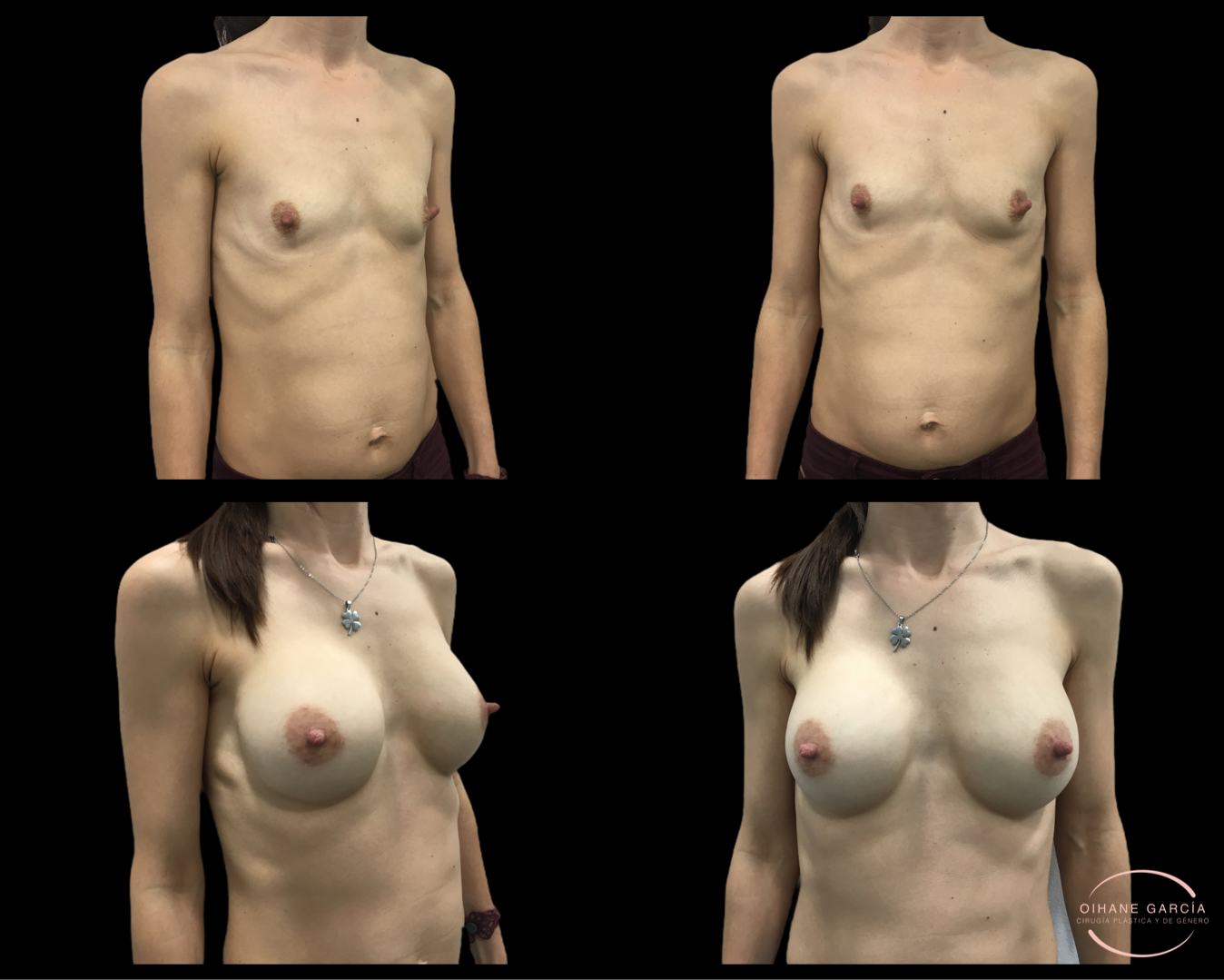
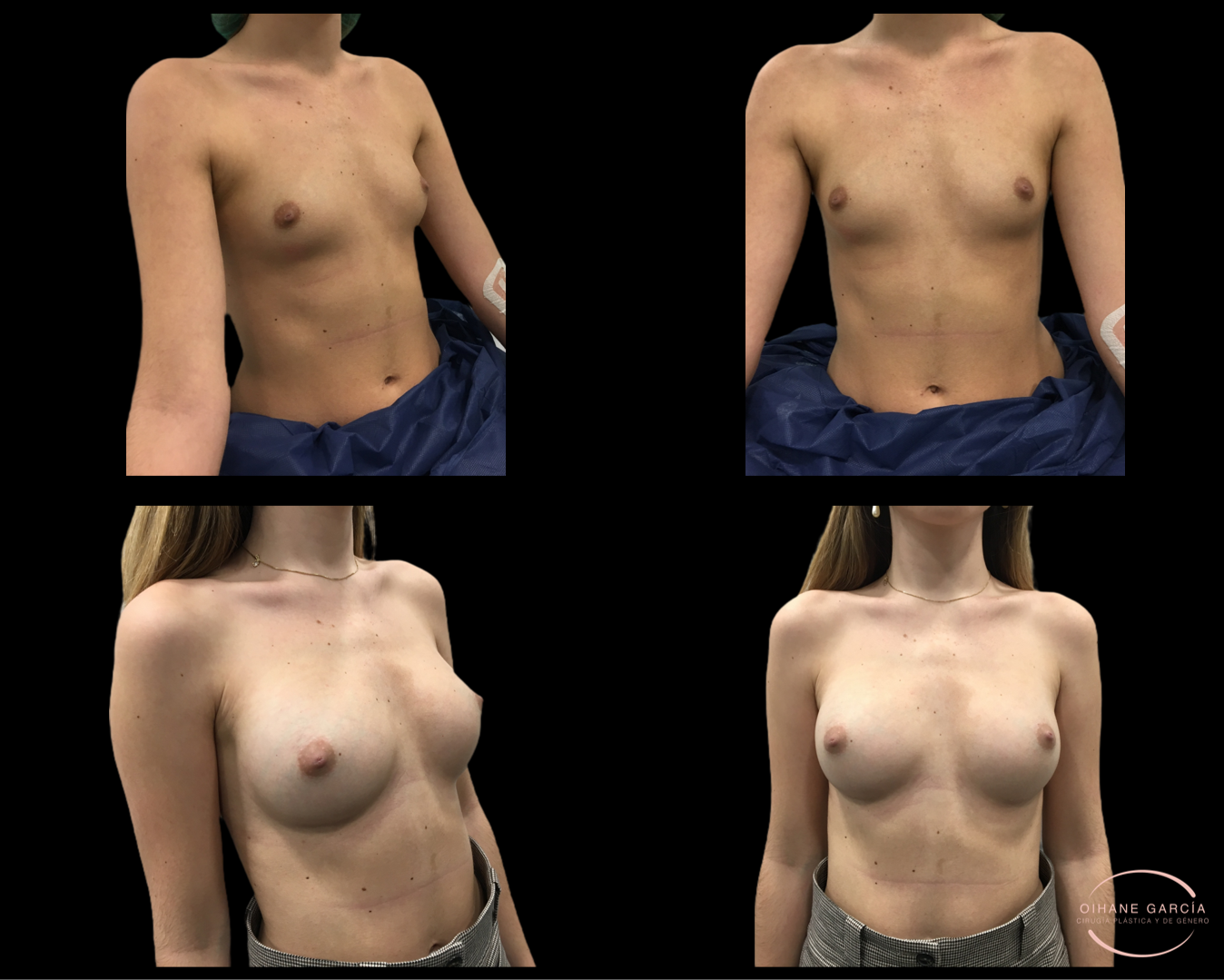
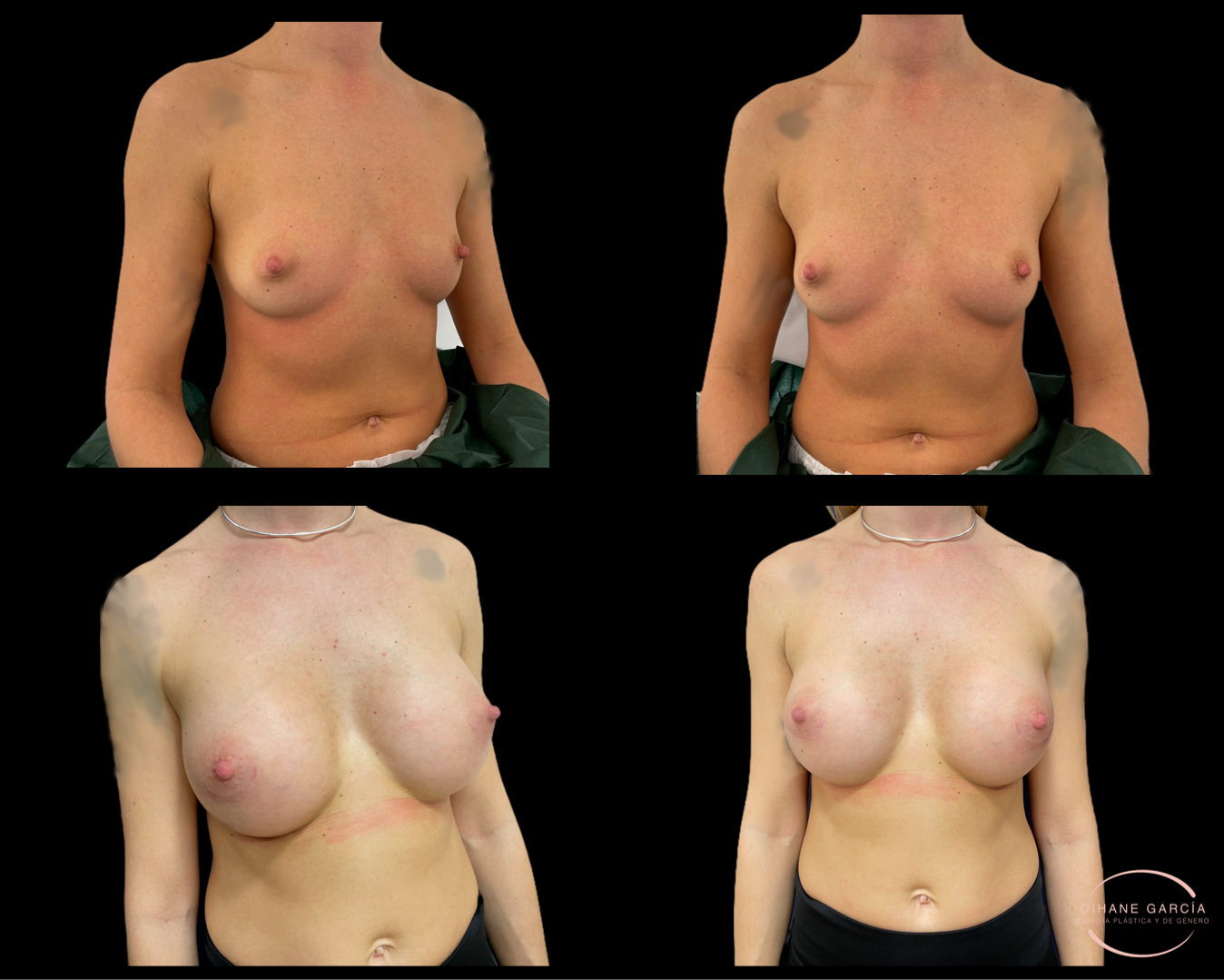
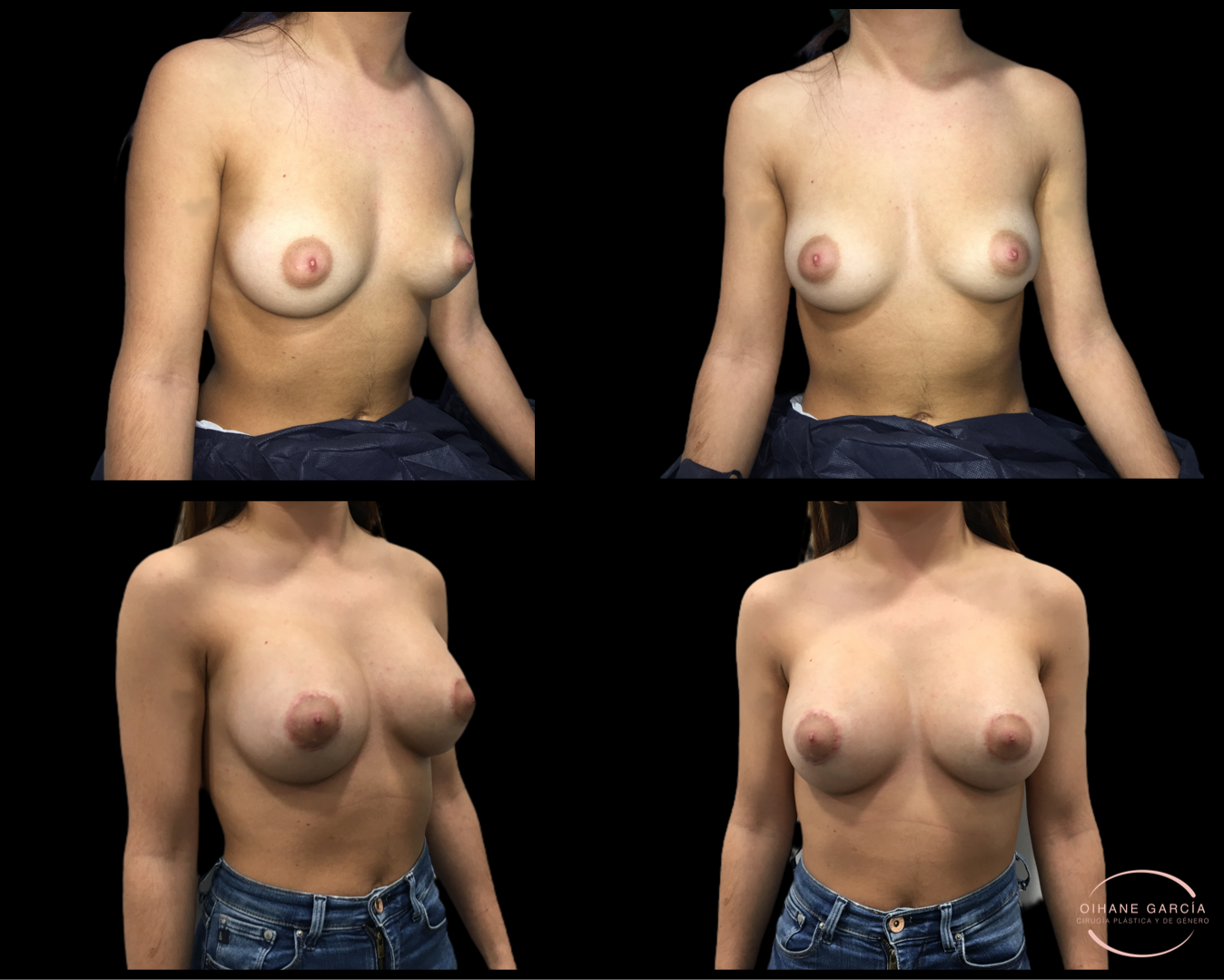
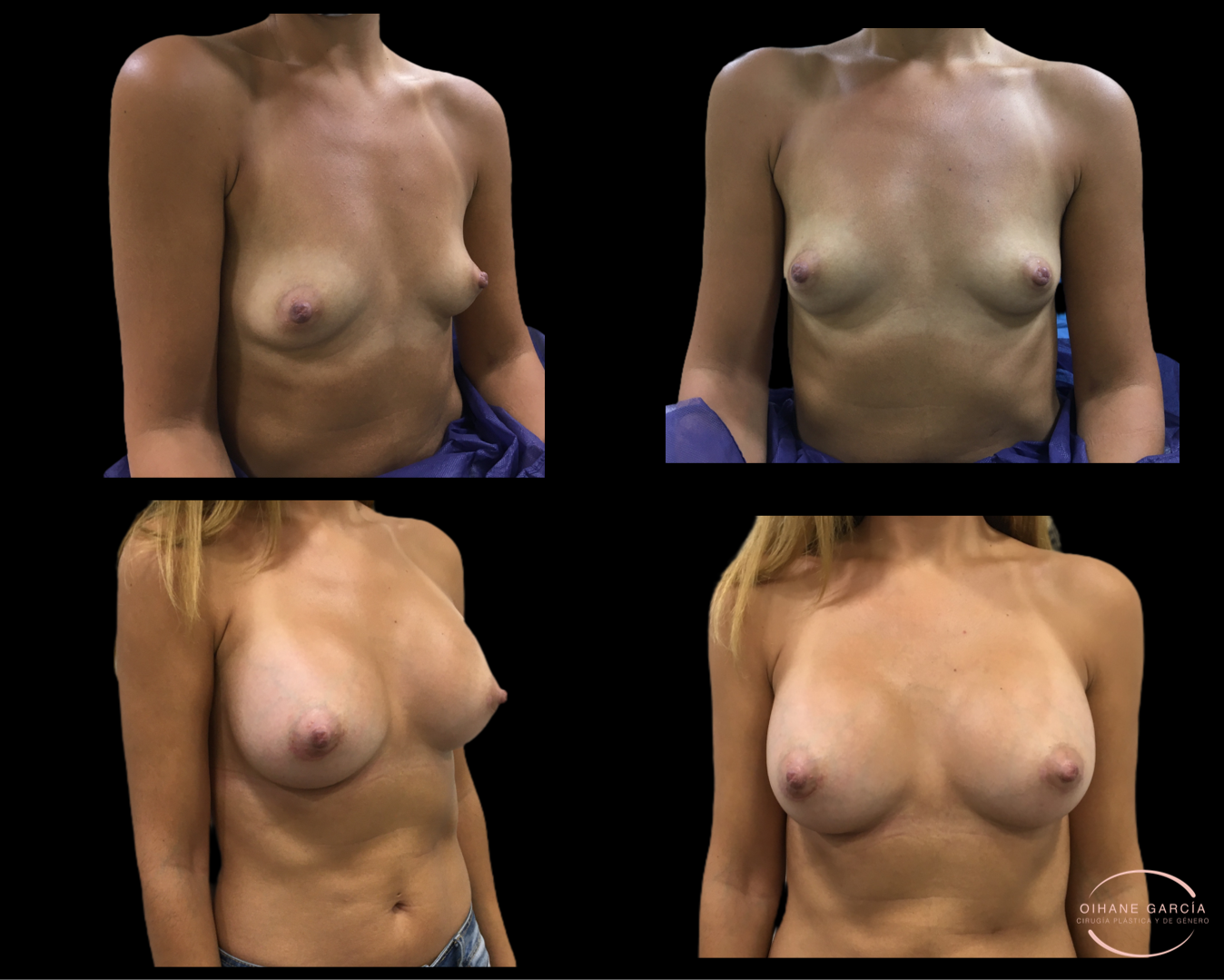
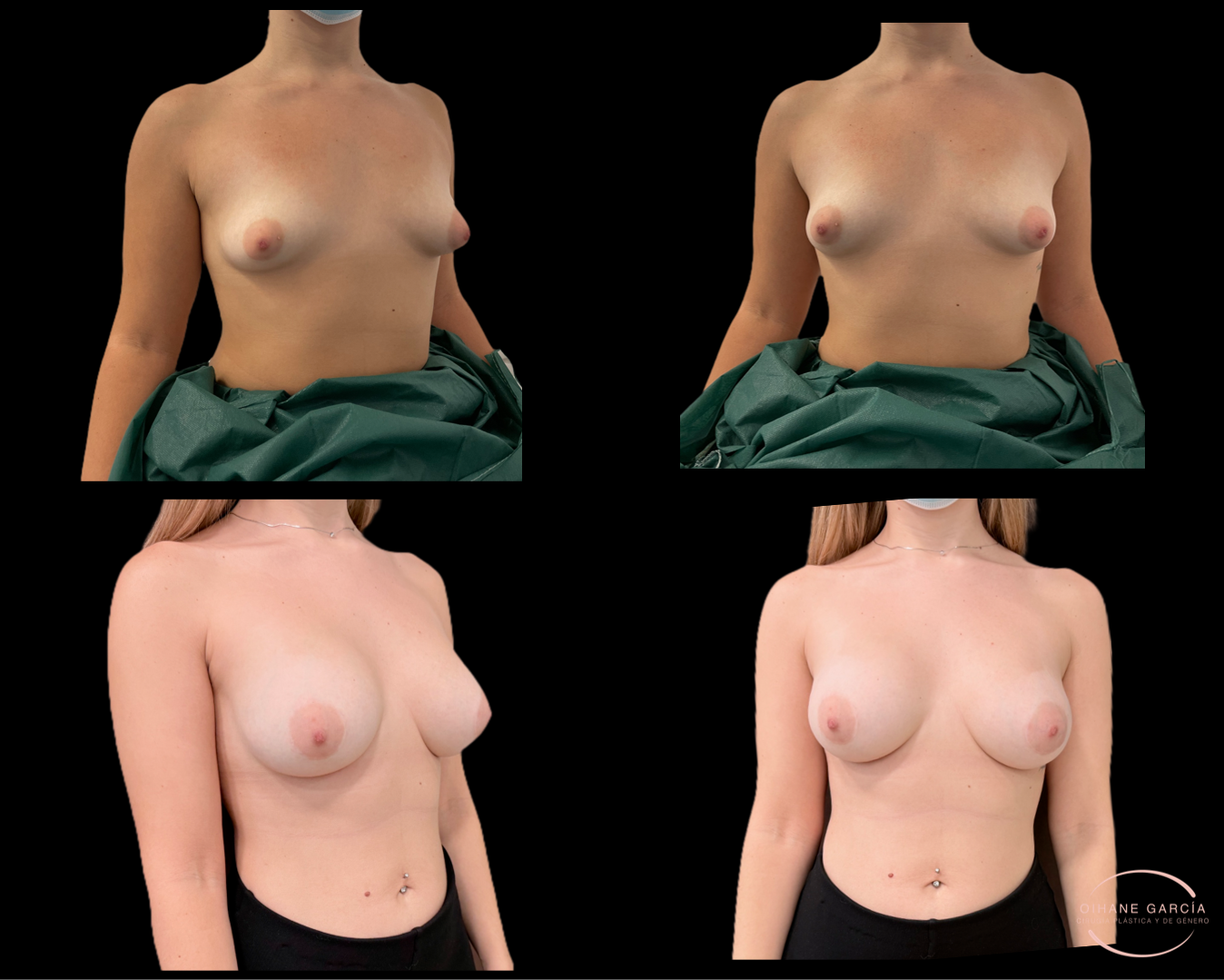
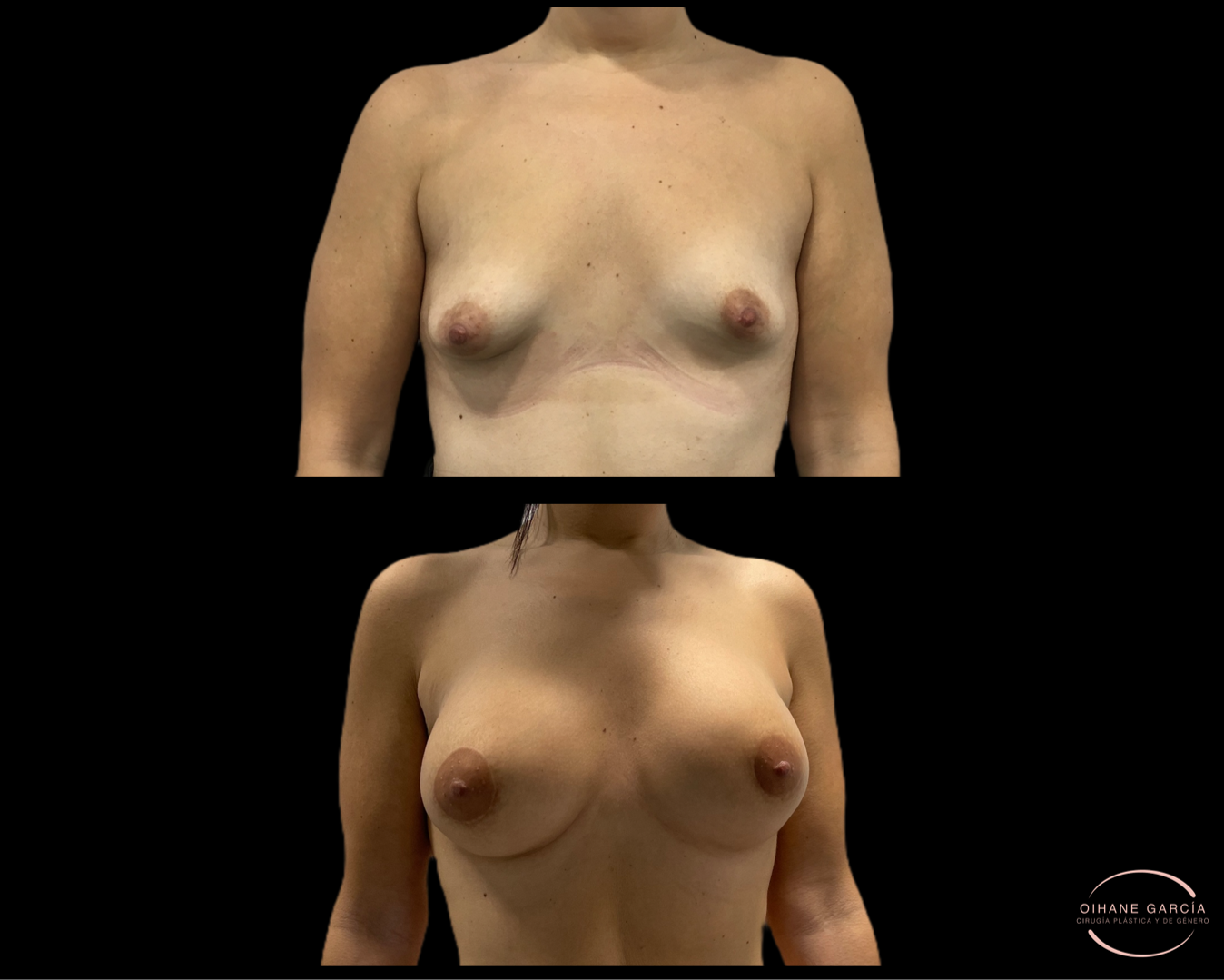
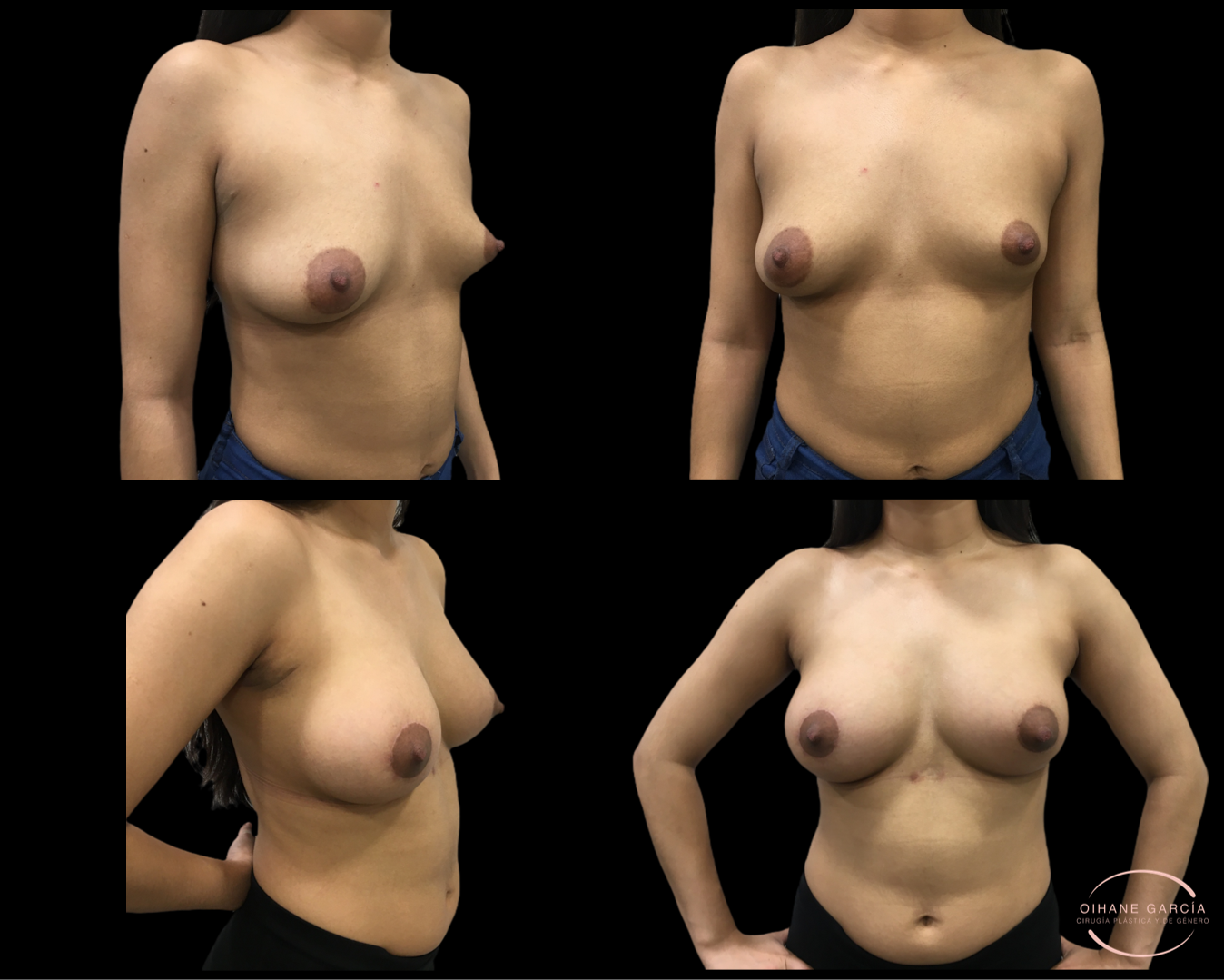
Breast augmentation, or augmentation mammoplasty, is a surgical procedure designed to increase breast volume and improve breast shape, as well as to correct asymmetries or restore volume lost following pregnancy, breastfeeding or significant weight loss. From a medical perspective, it is not simply about "increasing breast size", but rather an individually planned surgical procedure in which each patient's anatomical characteristics are carefully assessed to achieve a harmonious and safe result. It is usually performed under general anaesthesia, takes approximately one to two hours, and generally requires either a short hospital stay or same day discharge.
At present, the most commonly used implants are those filled with cohesive silicone gel. There are also saline-filled implants, although these are used less frequently because they tend to provide a less natural feel and have a greater likelihood of visible rippling in patients with limited breast tissue. In terms of shape, implants can be round or anatomical (teardrop-shaped). Round implants provide greater projection in the upper pole and create more fullness in the cleavage area; additionally, if they rotate within the surgical pocket, this does not alter the external shape of the breast. Anatomical implants distribute volume more progressively towards the lower pole and provide a more natural appearance.
The surgical approach can be performed through different types of incision. The most commonly used is the inframammary approach, with the incision placed in the breast crease, as this does not disrupt the gland and has a lower risk of bacterial contamination. The periareolar approach can also be used, through the edge of the areola, which allows the scar to be concealed and, where necessary, permits a small degree of breast lifting. The axillary approach avoids scars on the breast itself, but provides less direct visualisation of the surgical field.
Implant placement planes
In breast augmentation surgery, the implant placement plane is one of the most important technical decisions, as it influences the aesthetic appearance, implant palpability, complication rate and long-term outcome. There is no universally "best" plane; the choice depends on the patient's anatomy, tissue quality and surgical objectives.
Subglandular plane
This involves placing the implant behind the breast gland and in front of the pectoralis major muscle. From a technical perspective, it is a relatively straightforward procedure involving less manipulation of the muscle, which generally results in a faster initial recovery and less discomfort associated with muscle contraction. This plane can provide greater immediate projection and a fuller lower pole. However, because there is no muscular coverage in the upper part of the breast, in patients with limited breast tissue the implant may be more palpable or visible, with a greater risk of rippling.
Subpectoral plane (or total submuscular)
This involves placing the implant beneath the pectoralis major muscle. This provides greater coverage in the upper pole, which can be particularly beneficial in slim patients or those with limited glandular tissue, as it better conceals the edges of the implant and reduces the visibility of irregularities. On the other hand, the surgery can be somewhat more complex, the initial post-operative period may be more uncomfortable due to muscle manipulation, and a phenomenon known as "animation deformity" may occur. This consists of temporary displacement or distortion of the implant when the pectoral muscle contracts.
Subfascial plane
The implant is placed between the fascia of the pectoral muscle and the muscle itself, meaning above the muscle but beneath its fascia. The purpose of this plane is to provide additional coverage compared with the subglandular approach without the muscle manipulation involved in the subpectoral approach. It may provide some improvement in implant coverage and potentially reduce the visibility of implant edges compared with a purely subglandular placement. However, the pectoral fascia has a limited and variable thickness, meaning that its actual ability to provide coverage may be modest, particularly in very slim patients.
Dual plane
This is a combined technique in which the implant is placed partially beneath the pectoral muscle in its upper portion, while the lower part is covered only by glandular tissue. This is achieved by partially releasing the lower attachment of the muscle. The aim is to combine greater coverage in the upper pole — similar to the subpectoral plane — with a more natural expansion of the lower pole, allowing the implant to help correct certain degrees of mild or moderate breast ptosis without the need for additional procedures. Its advantages include a more concealed upper contour and a fuller, more naturally expanding lower pole. One of its disadvantages, as with the subpectoral approach, is the possibility of animation deformity.
Final considerations
It is essential to understand that the final result depends not only on the implant selected, but to a large extent on each patient's pre-existing anatomy. The thickness of the breast tissue, the quality and elasticity of the skin, chest width, position of the inframammary fold, natural distance between the breasts, degree of ptosis and any existing asymmetries are all factors that decisively influence the aesthetic outcome. Every body starts from a different foundation, and the result is built upon that foundation. For this reason, seeking advice from a qualified plastic surgeon who can individually assess all of these variables is key to achieving a harmonious, safe result that is in line with realistic expectations.
Timeline
Step-by-step explanation of the process
Additional information
Detailed information about the procedure
Further information
We have prepared some documents containing detailed information.
This is general information and should be tailored to each individual patient. This personalised assessment, together with a detailed explanation of the procedure and the opportunity to address any questions or concerns, takes place during consultations with Dr. García.
Your change starts here
We will contact you to schedule your first consultation. Dr. García will assess your case in detail and propose the best solution, explaining the pros and cons so you can make an informed decision.