
Top Surgery (Mastectomy)
For many trans men, the chest is one of the main sources of distress. Having breasts can cause daily discomfort, anxiety in public spaces and difficulty feeling at ease in your gender. For this reason, chest masculinisation surgery, also known as top surgery, is one of the most important procedures within the gender-affirming process and, for many people, the only surgery they wish to undergo.
What does the procedure involve?
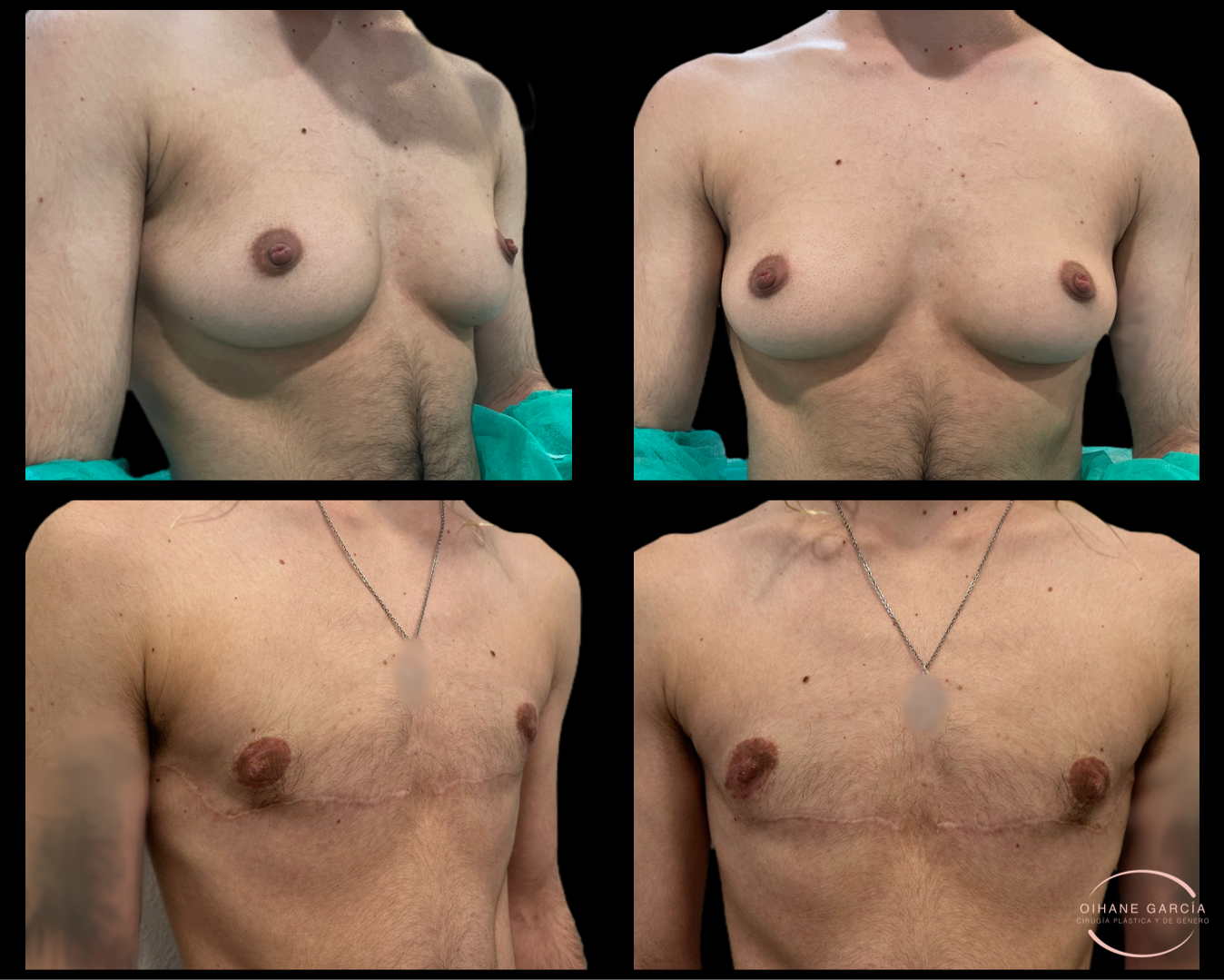
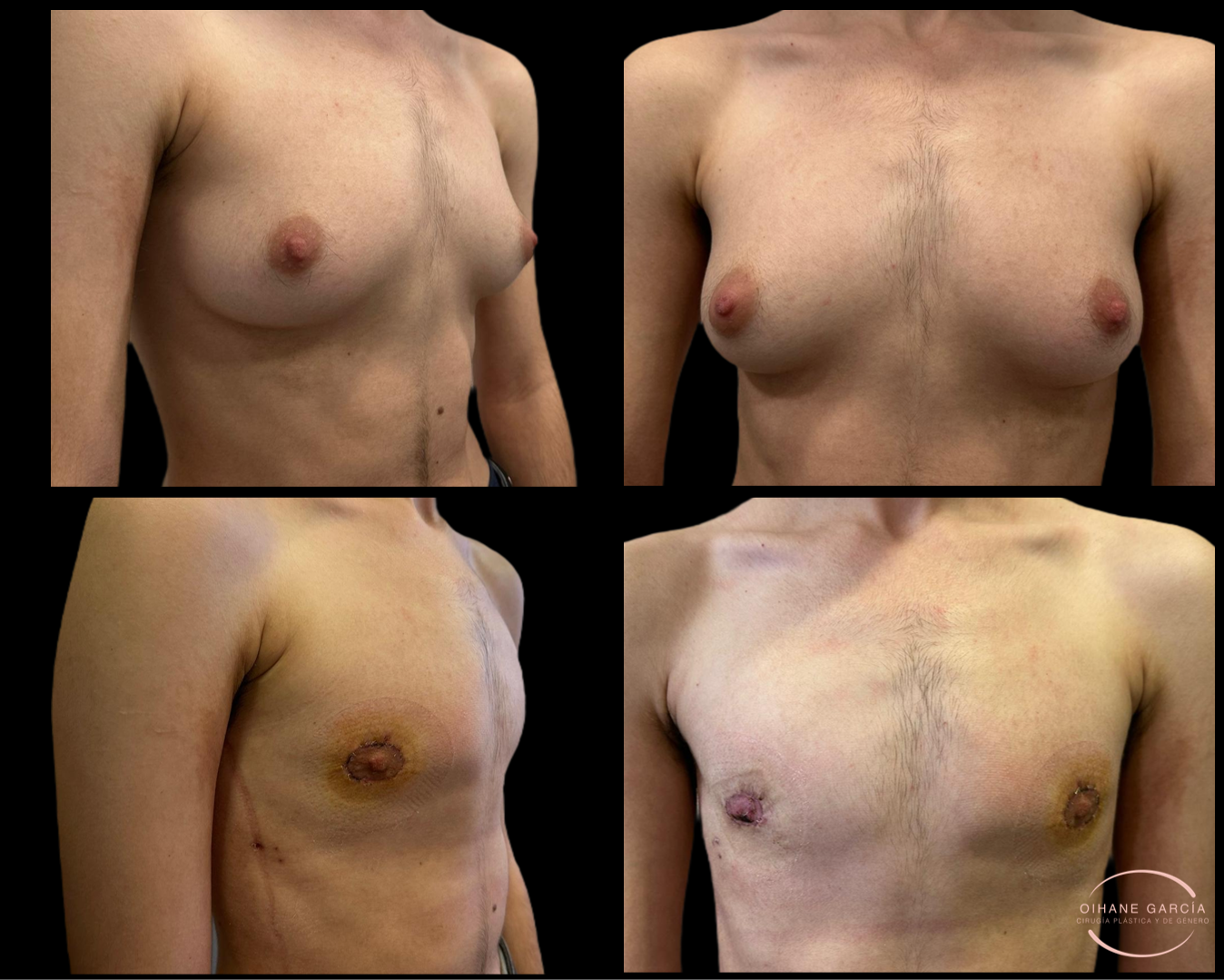
This procedure involves removing most of the breast tissue to create a more masculine chest contour. Beyond the physical change, most people who undergo this surgery report a significant improvement in their emotional wellbeing, self-esteem, and relationship with their own body. It can also make everyday activities easier, such as getting dressed, going to the beach or the gym, changing in changing rooms, or simply feeling more comfortable in public.
Studies show that, following surgery, most people experience a significant reduction in gender dysphoria, as well as an overall improvement in quality of life, both socially and professionally. For this reason, we do not consider this surgery to be cosmetic, but rather a medical procedure that can improve the health and wellbeing of trans men.
Chest masculinisation surgery helps many trans people live with greater comfort, confidence and wellbeing, both physically and emotionally. Having clear information, professional support and time to make your decision is essential. If you are considering this surgery, speaking with a specialist team can help you address any questions you may have and decide what is best for you.
There is no “one-size-fits-all” technique: every person is different, and the surgery is tailored to your individual needs and body. The aim is to achieve a chest that makes you feel comfortable, confident and aligned with your identity, while having a team that supports you throughout the entire process.
Surgical procedure
Duration: 1.5 to 2 hours.
Anaesthetic: General anaesthetic is used to ensure your comfort throughout the procedure.
Hospital stay: A short hospital stay is usually required, allowing you to return home the following day.
Post-operative recovery
After surgery, it is common to experience swelling, bruising and tenderness in the chest. In many cases, drains will need to remain in place for the first 24–72 hours. During the first week, you will need to take antibiotics and anti-inflammatory medication and rest your arms, although you will be able to walk. For the first month, you will wear a compression garment day and night to help the skin adapt properly to its new position.
Timeline
Step-by-step explanation of the process
General information
Detailed information about the procedure
Additional information
Additional information about the procedure
Further information
We have prepared some documents containing detailed information.
This is general information and should be tailored to each individual patient. This personalised assessment, together with a detailed explanation of the procedure and the opportunity to address any questions or concerns, takes place during consultations with Dr. García.
Your change starts here
We will contact you to schedule your first consultation. Dr. García will assess your case in detail and propose the best solution, explaining the pros and cons so you can make an informed decision.