
Eyelid surgery (Blepharoplasty)
What does the procedure involve?
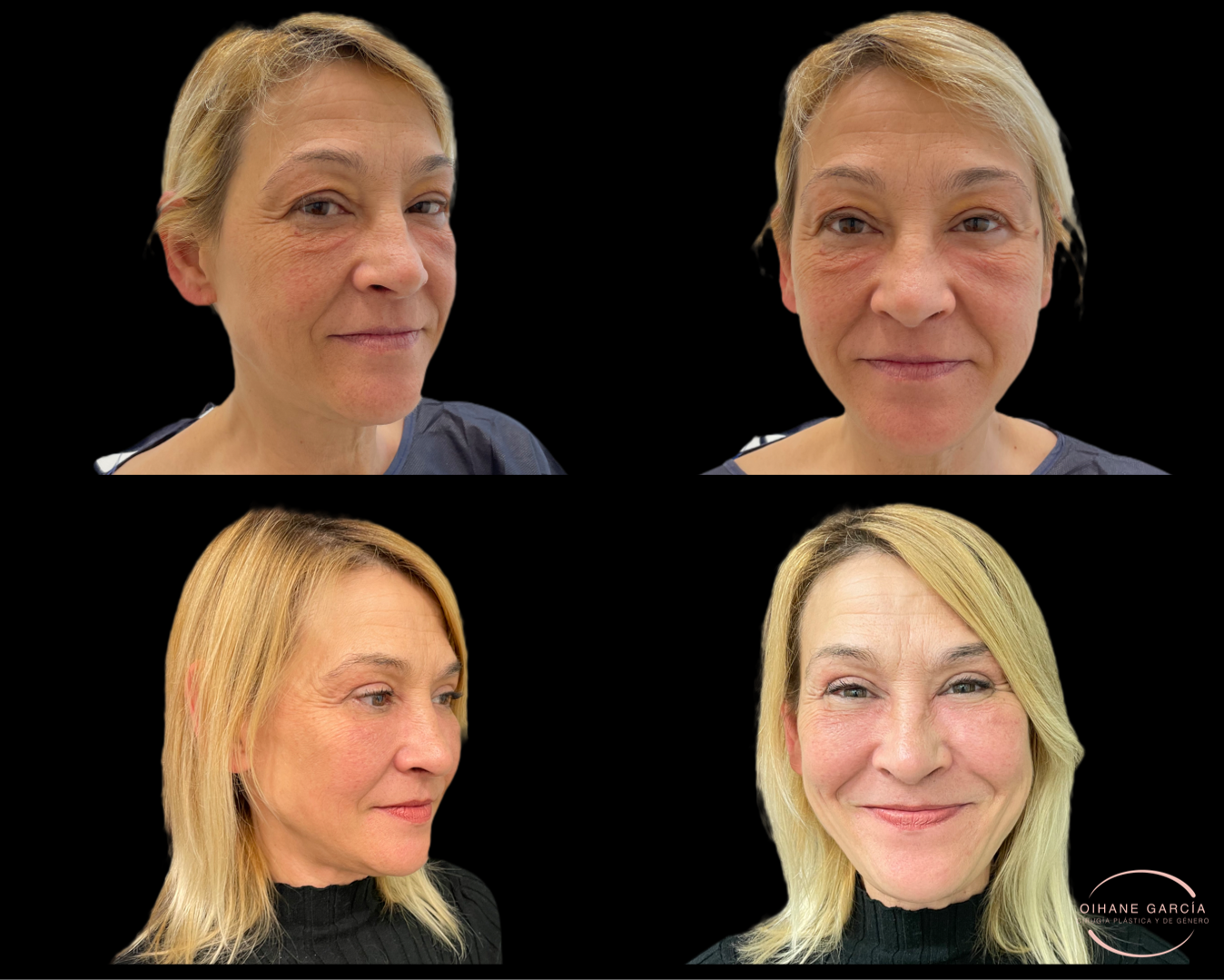
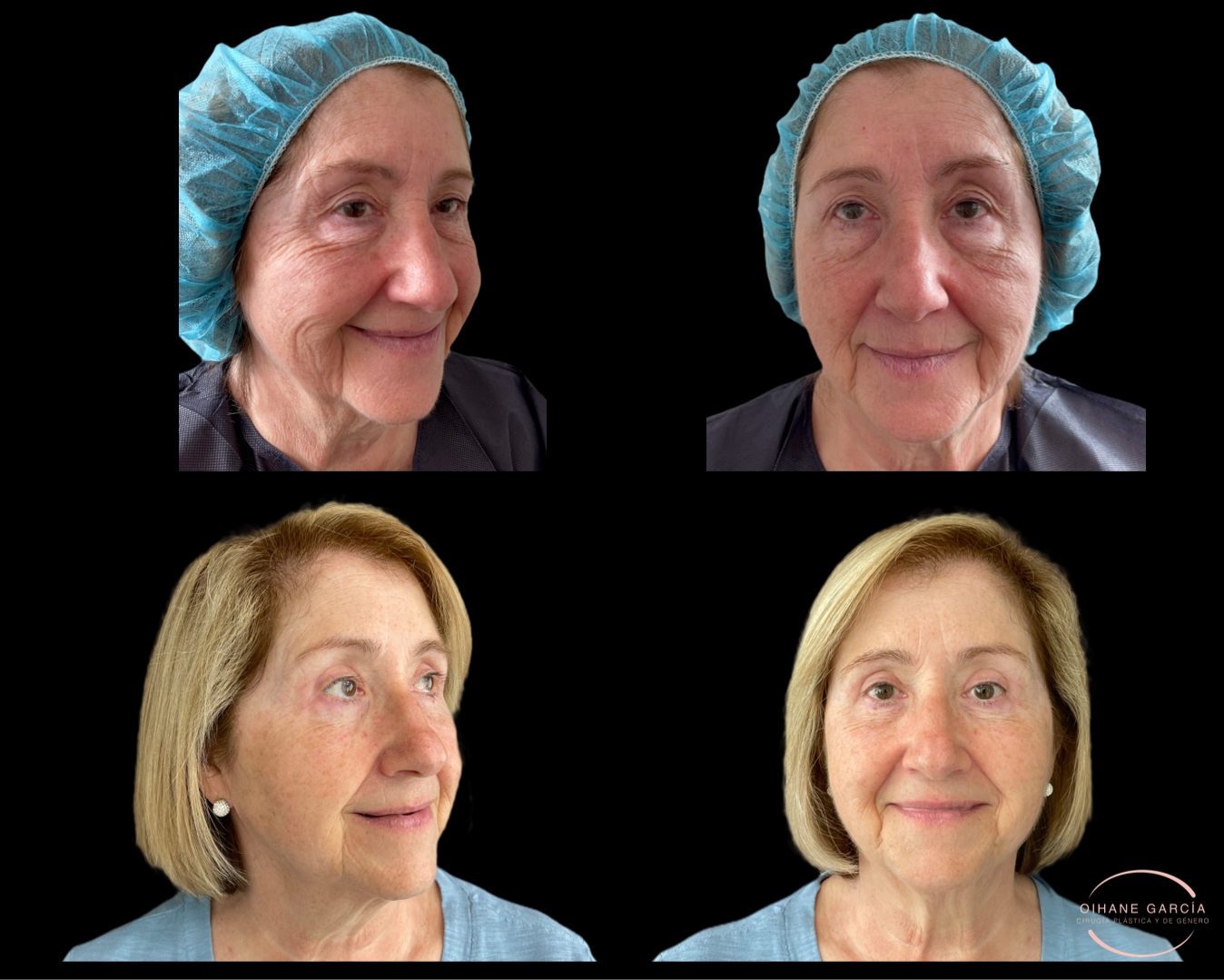
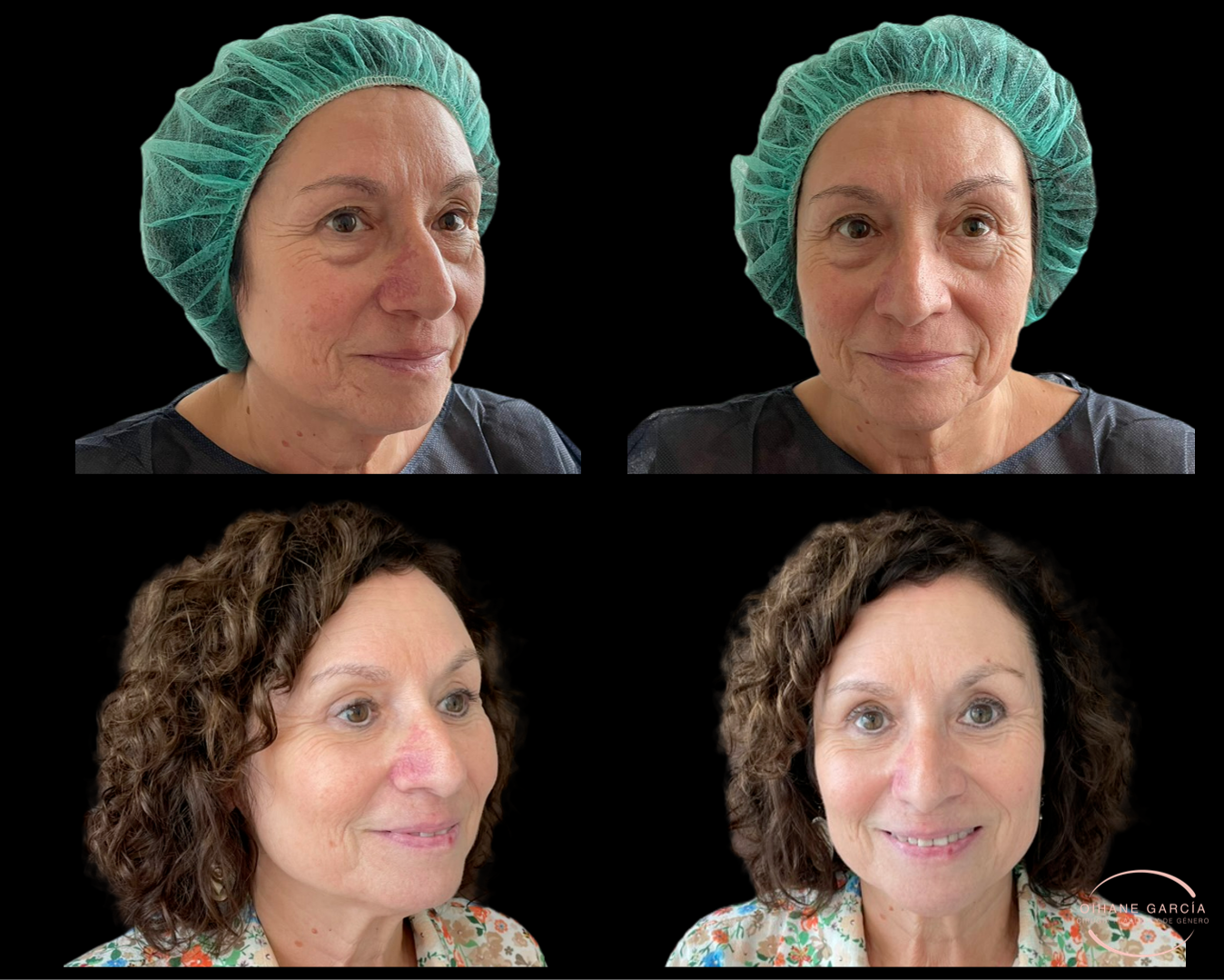
Blepharoplasty is surgery of the eyelids. Its main aim is to improve a tired appearance and, in many cases, relieve the feeling of heaviness in the eyelids. Over time, the skin loses elasticity, the tissues become looser and the fat normally contained around the eye can become more visible.
In upper blepharoplasty, we mainly treat excess skin on the upper eyelid. This is the fold of skin that droops and can sometimes make you raise your eyebrows to see more clearly, and may even interfere with your field of vision. In these cases, we remove the excess skin — and, if necessary, a small amount of muscle or fat — through an incision hidden within the natural crease of the eyelid. The aim is not to change the shape of the eye, but to make the eyelid feel lighter and restore a more open appearance.
With lower blepharoplasty, the problem is usually different. Here, the main concern is often under-eye bags and, in some patients, a degree of skin laxity. For many years, the approach was to remove the fat, but we now understand that ageing is not simply about excess tissue; it also involves loss of volume. If we simply remove fat, there is a risk of creating a hollow or sunken appearance. For this reason, the modern approach is more conservative and more anatomical: preserving and redistributing volume.
There are two approaches to the lower eyelid. The transcutaneous approach involves an incision just below the eyelashes and allows us to treat both the skin and fat. It is useful when there is significant excess skin. However, it can slightly affect eyelid tension if it is not appropriately indicated. The transconjunctival approach is performed from inside the eyelid, leaving no visible scar on the skin and better preserving the supporting structures. When the main concern is under-eye bags and the skin is of good quality, we prefer the transconjunctival approach because it is more conservative and reduces the risk of eyelid retraction or changes to the shape of the eye. It helps maintain a natural appearance.
Combining blepharoplasty with lipofilling is very important. In many cases, alongside under-eye bags, there is a pronounced tear trough or an abrupt transition between the eyelid and cheek caused by volume loss. In these cases, treating the protruding fat alone is not enough; we also need to restore the balance of volume. Lipofilling involves taking fat from another area of your own body, processing it and carefully injecting it into areas where volume has been lost. This softens the transition between the eyelid and cheek and helps prevent a hollow appearance. It allows us not only to remove what is in excess, but also to restore what is missing.
In most cases, upper blepharoplasty is performed under local anaesthetic, while lower blepharoplasty is performed under local anaesthetic with light sedation. This means you will be relaxed and comfortable, without pain or an unpleasant recollection of the procedure. Blepharoplasty does not usually require an overnight hospital stay; you will normally be able to return home the same day.
When properly indicated and performed, blepharoplasty does not change your eyes or your expression. Instead, it removes the feeling of heaviness and creates a more rested appearance. That is the true aim of the procedure.
Timeline
Step-by-step explanation of the process
Additional information
Detailed information about the procedure
Further information
We have prepared some documents containing detailed information.
This is general information and should be tailored to each individual patient. This personalised assessment, together with a detailed explanation of the procedure and the opportunity to address any questions or concerns, takes place during consultations with Dr. García.
Your change starts here
We will contact you to schedule your first consultation. Dr. García will assess your case in detail and propose the best solution, explaining the pros and cons so you can make an informed decision.